

Livestock-Focused Expertise
Is Agricultural Pond Remediation the Key to Better Livestock Health and Performance?
Farm ponds can influence livestock hydration, animal health, and overall productivity. Algae, sediment, contamination, and poor circulation may reduce water quality and make the pond less reliable for livestock use.
Arbourdale provides customized agricultural pond remediation based on your pond, animals, water conditions, and farm goals.
Water is more than water. It is a critical nutrient.
Poor Pond Conditions Can Become a Livestock Problem
Problems with pond water quality may include:
- Excessive algae growth
- Sediment and sludge buildup
- Unpleasant taste or odour
- Reduced water clarity
- Contamination concerns
- Poor circulation
- Inconsistent livestock drinking
- Recurring pond maintenance issues
Arbourdale looks beyond appearance to understand how the pond may affect animal health, water intake, and farm productivity.
Let’s assess whether your pond is providing suitable water for your livestock.


Pond Remediation Built Around Livestock Needs
Every agricultural pond is different. Arbourdale’s farm pond specialists assess:
- How livestock use the pond
- Water source and drainage
- Algae and plant growth
- Sediment and sludge
- Water clarity, odour, and appearance
- Seasonal changes
- Surrounding land conditions
- Farm production goals
Based on the findings, we develop a practical farm pond management strategy.
Recommendations may include:
- Farm pond algae treatment
- Sediment and sludge management
- Water circulation improvements
- Pond water-quality monitoring
- Livestock access recommendations
- Ongoing pond management support
More Than Pond Restoration
The goal of agricultural pond management is not simply to make the pond look cleaner. It is to help create a safer, more dependable water source for the operation.
Better pond management may support:
- More consistent livestock hydration
- Healthier drinking conditions
- Reduced algae and odour concerns
- Improved water clarity
- Fewer recurring pond problems
- Better long-term farm productivity
Arbourdale connects every recommendation to the animals and the way the pond supports the wider operation.
Speak with livestock pond specialists who understand water quality and farm performance.
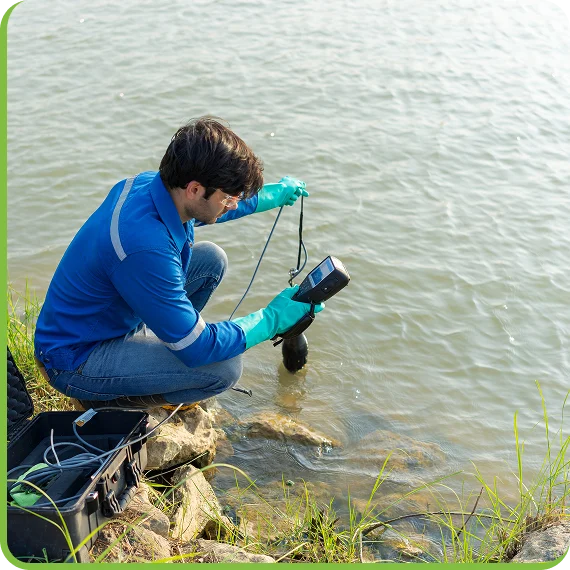

Agricultural Experience Behind Every Recommendation
Arbourdale is not simply a pond cleaning contractor. We are a pond remediation company focused on agricultural water and livestock outcomes.
Producers choose Arbourdale for:
- Hands-on livestock and agricultural experience on the team
- Farm-specific pond assessments
- Customized remediation strategies
- Livestock-focused recommendations
- Ongoing monitoring and support
- Service across Canada
Is Your Pond Supporting or Limiting Your Operation?
If algae, sediment, odour, poor clarity, or livestock-health concerns are affecting your pond, Arbourdale can help identify the right next step.
Request Pond Remediation ServicesFrequently Asked Questions
How does pond water quality affect livestock?
Poor pond water may affect taste, drinking behaviour, hydration, and animal health. The level of risk depends on contamination, algae, sediment, and how livestock access the pond.
What causes algae growth in farm ponds?
How can pond remediation improve livestock health?
When should a farm pond be treated?
How often should farm ponds be tested?
Can poor pond water reduce animal performance?
What is the best farm pond remediation solution?
How do I know if pond water is safe for livestock?